
Home » News and Resources » Passive House vs. Net Zero in 2026
Which High-Performance Standard Is the Future of the Northeast?
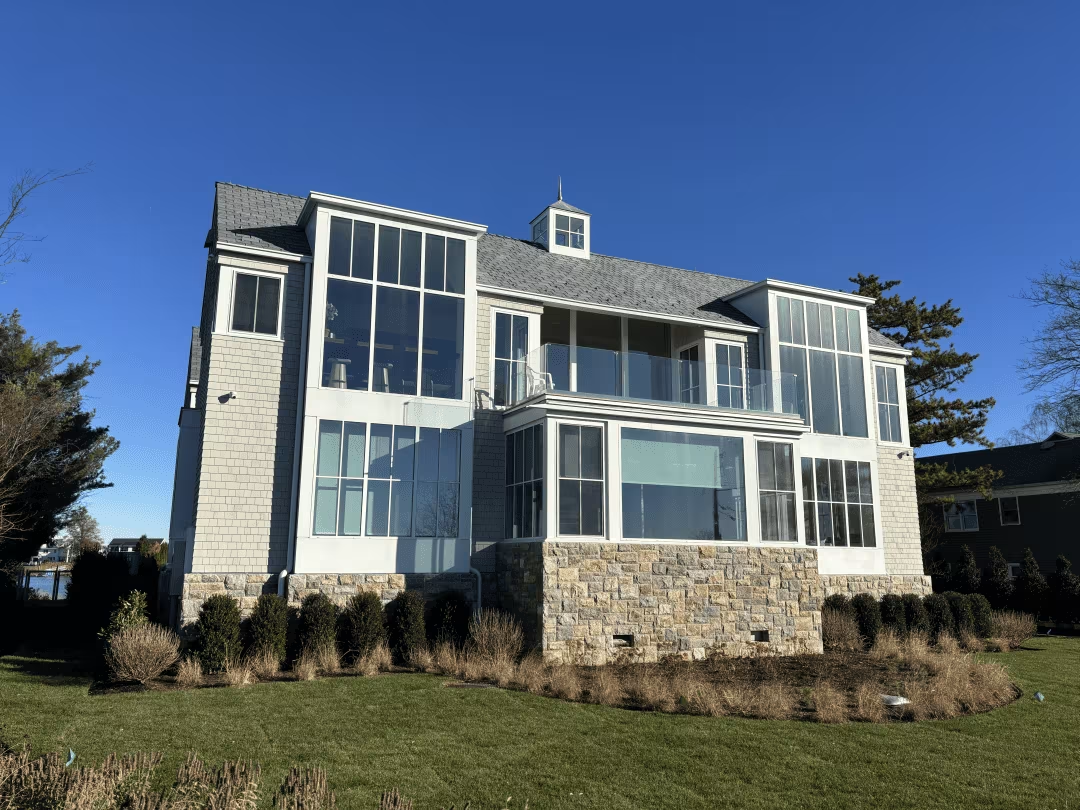
In 2026, the American dream has a new requirement: resilience. As the Northeast Corridor faces increasingly volatile weather—from Boston’s bomb cyclones to New York’s record-breaking summer humidity—homeowners and architects are no longer asking if they should build green, but how.
The debate has crystallized around two high-performance building standards: Passive House and Net Zero. While they are often mentioned together, they represent fundamentally different philosophies. Passive House is an envelope-first approach that minimizes the energy a building needs. Net Zero is an energy-balance approach that ensures a building produces as much energy as it consumes. Both have serious merits, and the best projects increasingly combine elements of each.
This article provides a balanced comparison of both standards as they apply to the Northeast in 2026, including the federal incentive landscape following the One Big Beautiful Bill Act of 2025, and shows how the right high-performance components can make all the difference.
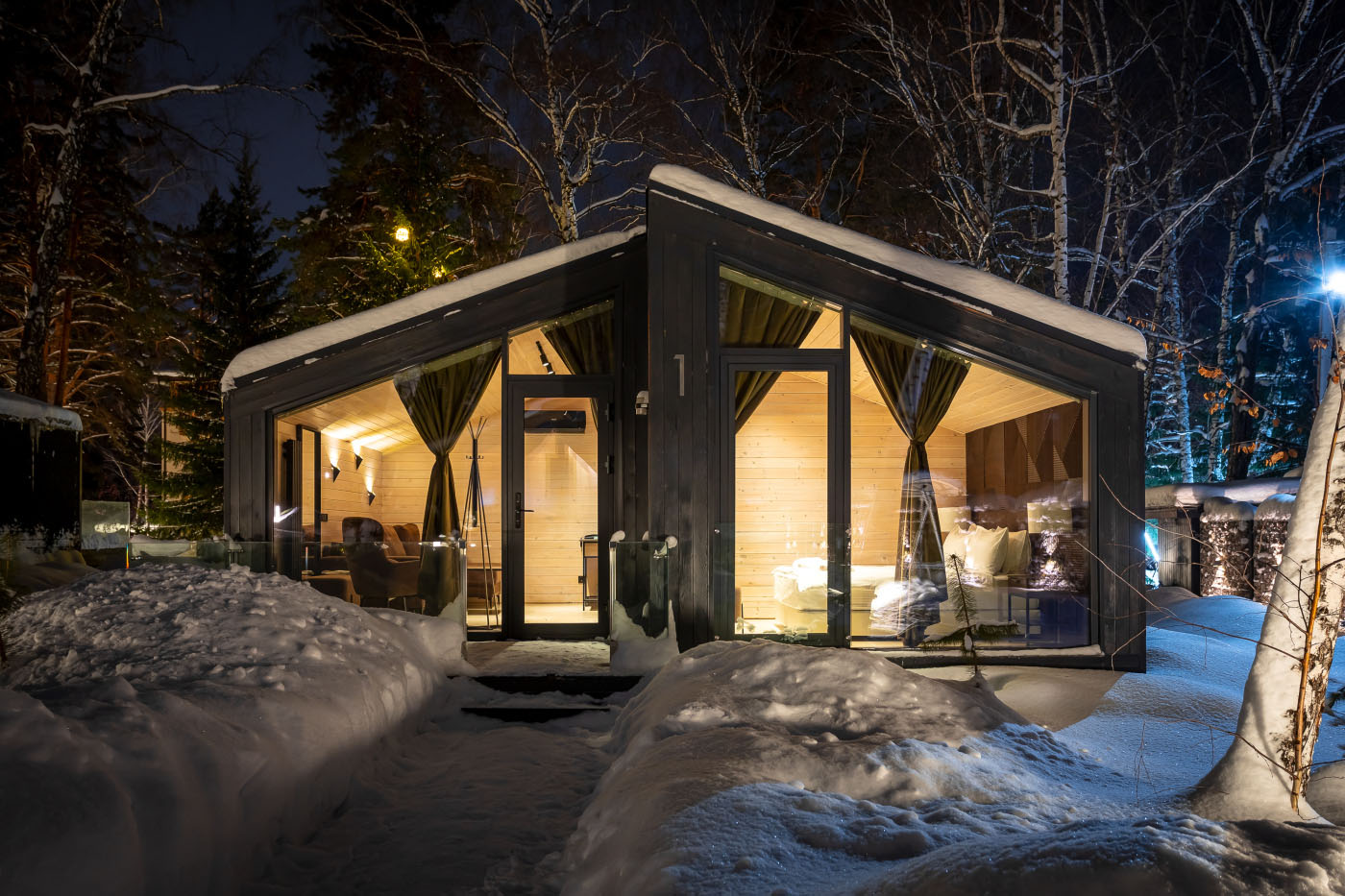
If you live in Connecticut or Massachusetts, you know the thermos-versus-tea-kettle analogy. A standard home is the tea kettle—constantly needing energy to stay warm. A Passive House is the high-end thermos: it holds its temperature with minimal input.
Passive House (specifically the Phius standard, which is climate-optimized for North America) focuses on the building envelope first. It relies on five core pillars:
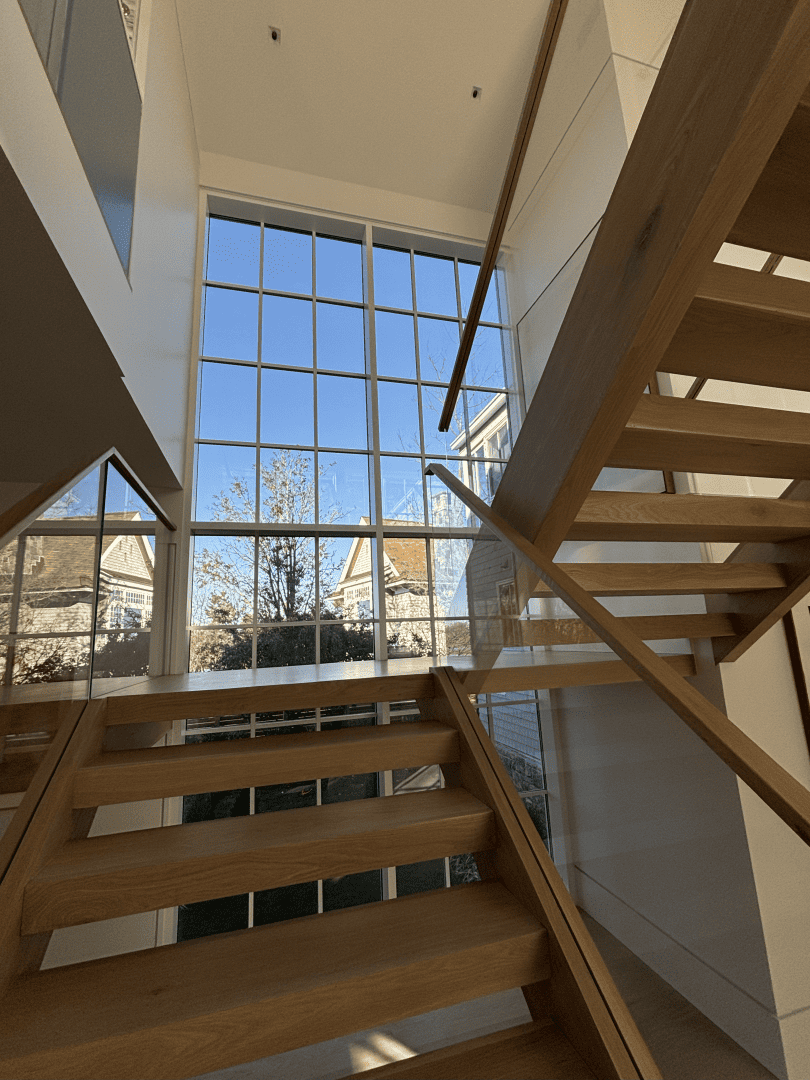
A Net Zero home is a mathematical achievement: over the course of a year, it produces as much energy as it consumes. This is typically accomplished through a combination of on-site renewable energy generation (usually rooftop solar photovoltaics), high-efficiency heat pumps, battery storage systems, and energy-efficient appliances and lighting.
Net Zero has been a powerful policy tool in the Northeast. In states like New York, where Local Law 97 imposes significant penalties on carbon-heavy buildings, and Massachusetts, which has adopted one of the nation’s most aggressive stretch energy codes, Net Zero provides a clear, measurable target that aligns with state-level decarbonization mandates.
The standard is outcome-based and flexible: it does not prescribe how you achieve the energy balance, only that you do. This flexibility allows builders and designers to choose the most cost-effective combination of efficiency measures and renewable generation for each project.

| Feature | Passive House (Phius) | Net Zero |
|---|---|---|
| Primary Focus | Building envelope performance (reducing energy demand) | Energy balance (matching consumption with on-site generation) |
| Best For | Occupant comfort, indoor air quality, resilience in extreme weather | Eliminating utility costs, meeting carbon targets, grid contribution |
| Envelope | Ultra-high performance required (≤0.60 ACH50, R-40+ walls, triple-pane windows) | Varies—can range from code-minimum to high-performance |
| Renewables | Not required (but makes adding them highly efficient) | Required—typically rooftop solar PV with battery storage |
| Resilience | Maintains habitable temperatures during extended power outages (conditions dependent) | Depends on battery capacity, solar availability, and system design |
| Site Constraints | Viable on any site regardless of solar access or orientation | Requires adequate unshaded roof area or off-site renewable agreements |
| Maintenance | 1. Minimal—performance is in the building shell. 2. ERV filters need regular replacement. |
1. Moderate—solar panels, inverters, batteries. 2. Heat pumps require ongoing maintenance. |
| Cost Premium | 0–15% above code (varies by project type, team experience, and market) | Varies widely depending on solar array size, battery storage, and base efficiency level |
| Policy Alignment | Increasingly referenced in NE stretch codes and multifamily mandates | Strong alignment with Local Law 97 (NYC), MA stretch code, and state carbon goals |
The federal incentive landscape for high-performance buildings changed dramatically with the passage of the One Big Beautiful Bill Act (OBBBA), signed into law on July 4, 2025. Several key IRA-era credits have been eliminated or accelerated toward expiration.
The 30% residential clean energy tax credit for homeowner-owned solar panels, battery storage, geothermal heat pumps, and small wind systems expired on December 31, 2025. Homeowners who installed qualifying systems by that date can still claim the credit on their 2025 tax returns, but no new residential installations qualify in 2026. This is a significant shift for Net Zero projects that relied on the 30% ITC to close the financial gap.
The credit that covered 30% of costs for heat pumps, insulation, windows, and electrical panel upgrades also expired on December 31, 2025. This affects both Passive House and Net Zero project economics for homeowners.
Builders and developers (not homeowners) can still receive up to $5,000 per dwelling unit for homes certified to DOE Efficient New Homes standards, and $2,500 for homes meeting ENERGY STAR requirements. This credit expires for homes acquired after June 30, 2026—moved up from the original 2032 expiration. “Acquired” means the home must be completed and either sold or leased to a resident by that date.
The commercial ITC remains available for businesses, nonprofits, and third-party-owned residential solar systems (leases and PPAs). Projects that begin construction by July 4, 2026, can qualify for the full 30% credit with a four-year safe harbor window. Homeowners can access federal solar incentives indirectly through third-party-owned systems where the system owner claims the credit and passes savings through as lower monthly payments.
With the expiration of major federal residential credits, state and utility programs are now the primary incentive drivers for homeowners in the Northeast:
Important Disclaimer: Federal and state incentive programs are subject to change. The information above reflects the status as of February 2026. Consult with qualified tax professionals and verify current program eligibility with official sources (IRS.gov, Energy.gov, and state program websites) before making investment decisions.
The most significant trend in high-performance building in 2026 is the convergence of these two standards. The Phius ZERO certification formalizes this: it requires a Phius-certified building envelope plus enough on-site renewable energy to achieve net-zero energy balance.
Because the Passive House envelope reduces energy demand so dramatically, the required solar array is significantly smaller than it would be on a conventionally built home—often 30–50% smaller. This means lower equipment costs, less roof area needed, and a system that is more resilient to cloudy Northeast winters.
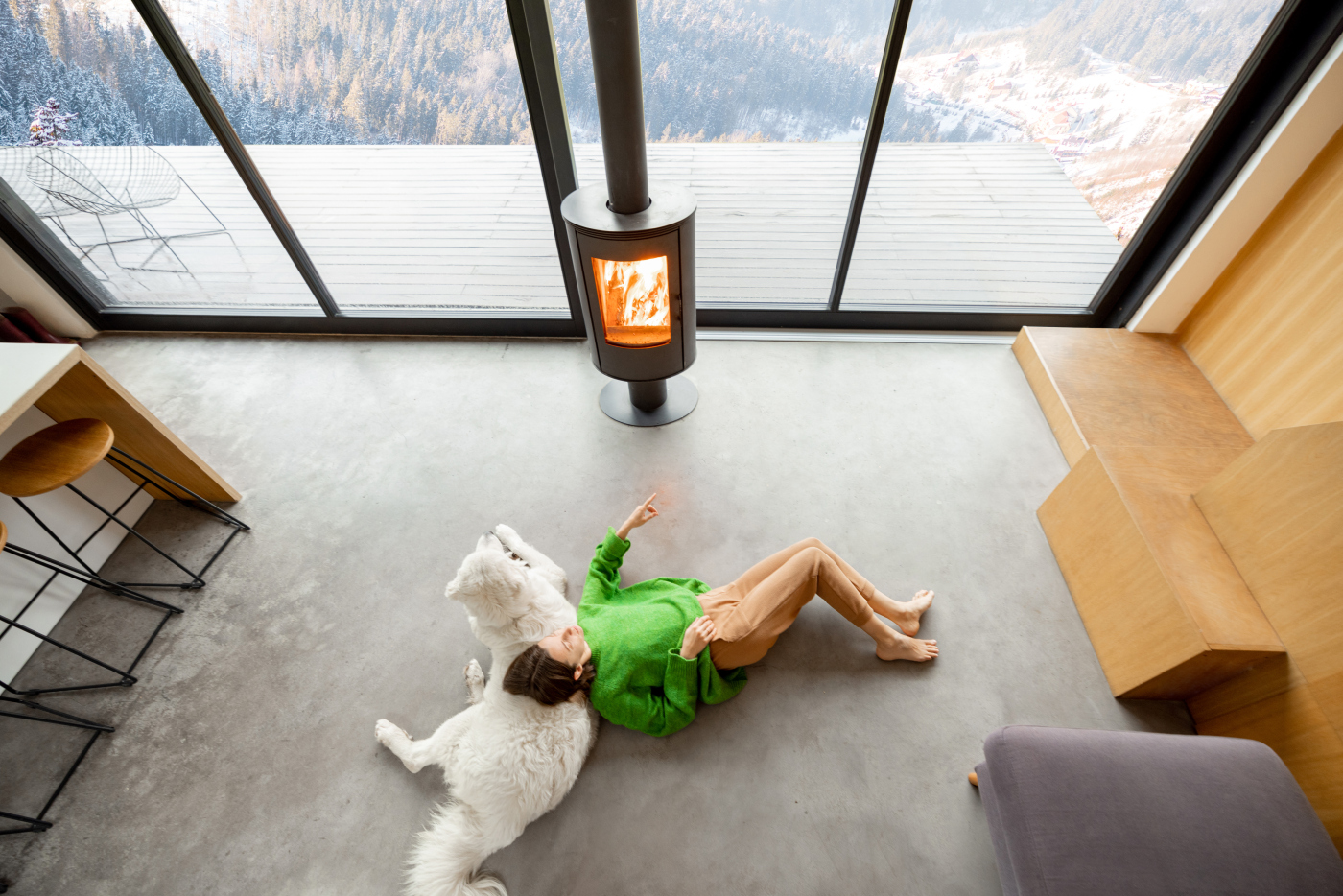
Massachusetts now requires Passive House certification for new multifamily construction over 12,000 square feet in dozens of municipalities that have adopted the Municipal Opt-In Specialized Energy Code. New York’s Buildings of Excellence competition has consistently awarded top honors to projects that combine Passive House envelopes with net-zero energy strategies.
For homeowners, the envelope-first approach offers a practical advantage: you can build the Passive House envelope now and add solar later as budget allows—without sacrificing comfort or performance in the interim. The reverse is not true: you cannot easily retrofit a code-minimum envelope to Passive House standards after construction.
PHI-Certified Windows, Doors, and Sliding Systems Engineered for the Northeast
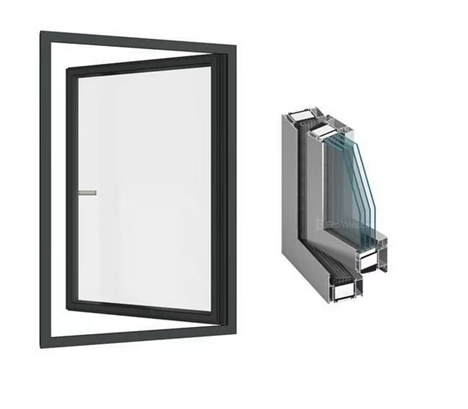
Achieving Passive House certification is not about individual components—it’s about a system working in perfect harmony. Based in Norwalk, Connecticut, Eco Windows USA has engineered a comprehensive lineup of PHI-certified windows, doors, and sliding systems specifically designed to help Northeast homeowners and builders meet and exceed the stringent requirements of the Phius standard.
Eco Windows’ Passive House window systems—including the S80 (uPVC), A104 (aluminum), C80 (aluminum), and G80 (uPVC)—are engineered to exceed Phius requirements with U-values
as low as 0.12 BTU/h·ft²·°F, well below the maximum allowable 0.15. Each system features:
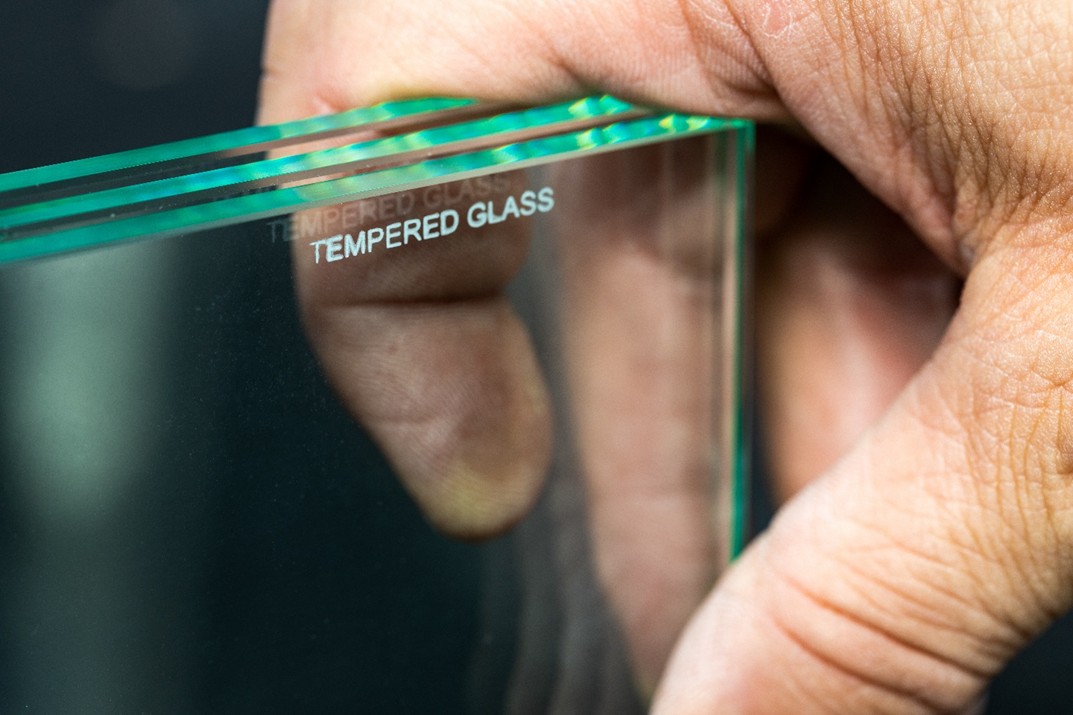
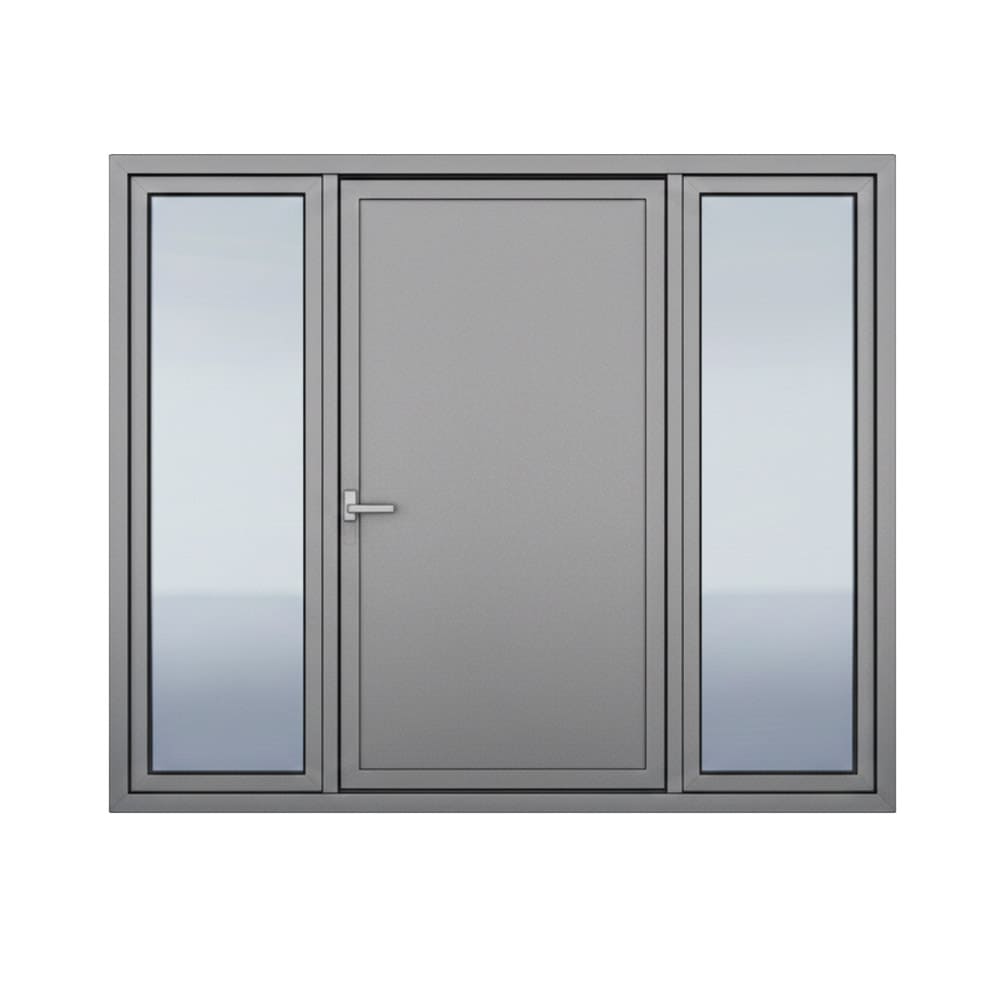
A single poorly-sealed door can undermine months of precision envelope construction. Eco Windows’ PHI-certified entry swing doors and pivot doors are engineered with the same three-layer gasket systems and warm-edge technology as their windows, achieving identical ultra-low U-values and airtightness specifications.
For residential applications, swing doors provide familiar operation, while pivot door options allow for dramatic design statements—floor-to-ceiling glass entries that feel modern and welcoming—without sacrificing thermal or airtight performance.
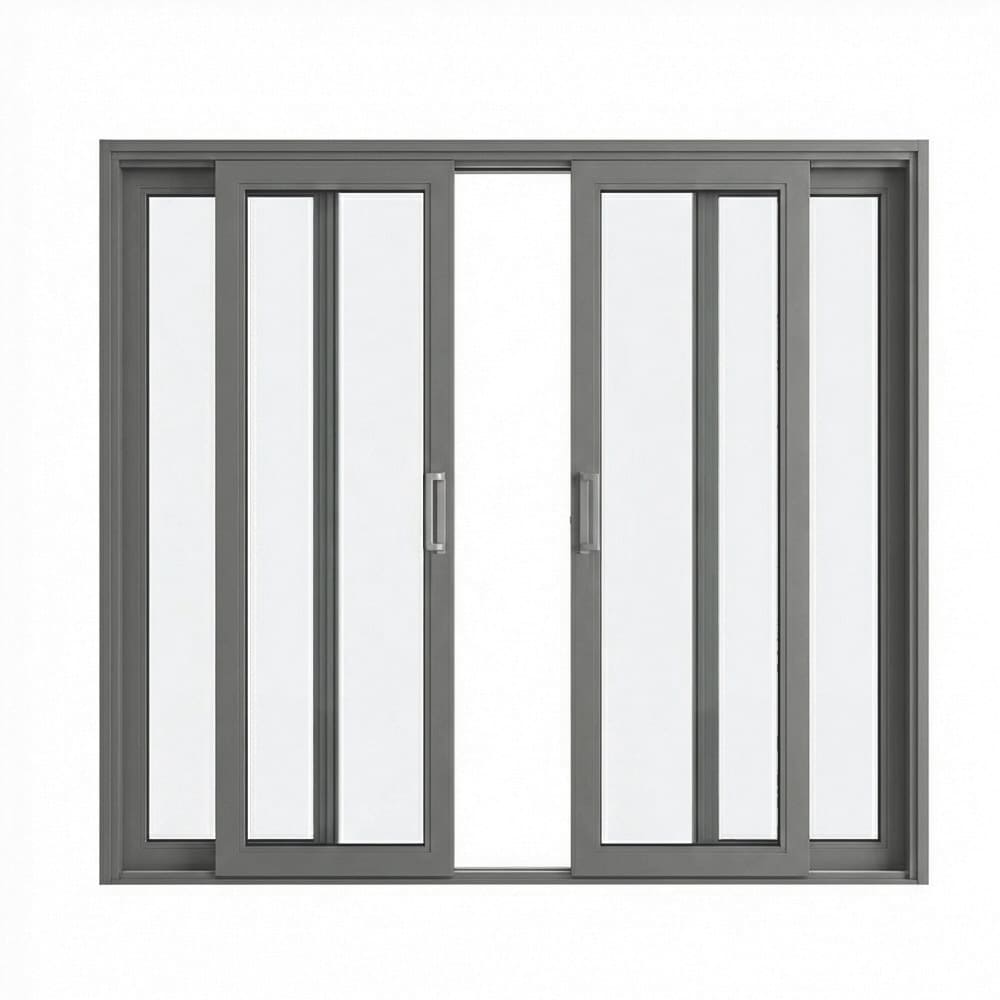
One of the most challenging aspects of Passive House design is balancing thermal performance with the desire for open, light-filled living spaces. Traditional sliding glass doors often compromise on insulation to enable large glass areas.
Eco Windows solves this through specialized sliding and lift-and-slide door systems engineered for Passive House performance. These systems feature multi-chambered frames, advanced gasket technology, and thermal break design that maintains Passive House-level U-values even in large-format configurations. Lift-and-slide systems reduce the strain on seals and mechanisms, enabling larger operable areas while maintaining airtightness and thermal performance.
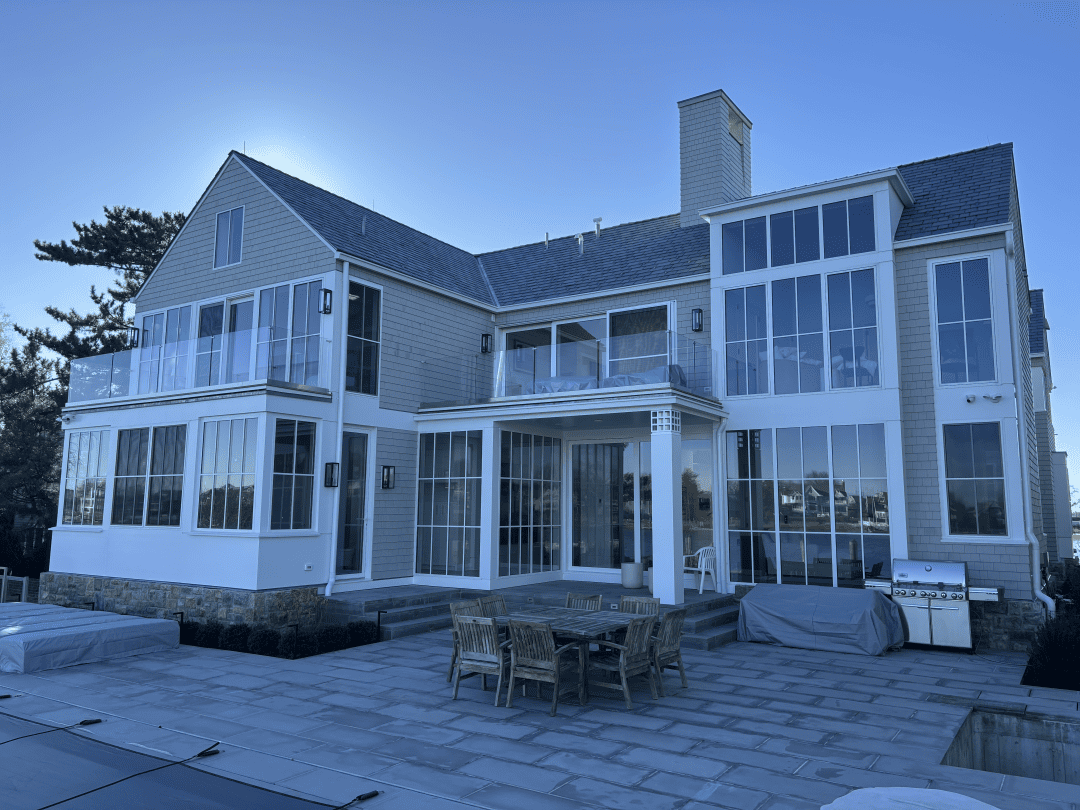
| Specification | Details |
|---|---|
| Certified Product Lines | S80 Passive (uPVC), A104 (aluminum), A86 (aluminum), C80 (aluminum) |
| Certification | PHI-certified (Passive House Institute) for Passive House suitability |
| Best U-Values Achieved | U = 0.12 BTU/(h·ft²·°F) (S80 Passive) |
| Phius Requirement | ≤0.15 BTU/h·ft²·°F — all Eco Windows systems exceed this threshold |
| Glazing Options | Triple-pane and quadruple-pane; Argon and Krypton gas fills |
| Sealing System | Three-level gasket system for near-zero air infiltration |
| Frame Materials | uPVC, aluminum, aluminum-clad, and steel options |
| Design Options | 260+ color and finish options; divided-light patterns; custom configurations |
| Product Categories | Tilt-and-turn windows, fixed windows, entry swing doors, pivot doors, sliding doors, lift-and-slide systems, folding systems |
| Service Area | Connecticut, Massachusetts, New York and broader Northeast with design consultation and installation services |
| Headquarters | 270 Main Ave, Norwalk, CT 06851 (Fairfield County) |
Beyond performance metrics, Eco Windows’ systems are available in multiple materials—uPVC and aluminum—with over 260 color and finish options. Passive House doesn’t require compromising on architectural vision:
In every case, the underlying physics—ultra-low U-values, airtightness, thermal bridge elimination—remains identical.
Contact our Norwalk design center to explore the right system for your project, or visit ecowindowsusa.com to browse our full product lineup.

If your top priority is comfort, indoor air quality, and resilience—and you want performance that is locked into the building for its entire lifespan regardless of equipment maintenance—start with the Passive House envelope. This is particularly compelling for Northeast homes that face bitter cold, humidity, and increasingly frequent power outages.
If your top priority is eliminating utility bills and maximizing financial return—and you have good solar access and the resources for energy systems—Net Zero provides a clear, measurable outcome with strong policy alignment. Pair it with the best envelope you can afford.
For maximum resilience and long-term value, the Phius ZERO approach—combining a Passive House envelope with appropriately sized renewables—represents the most robust solution. It delivers comfort without mechanical dependence, eliminates utility costs, and provides a home that performs in any scenario: grid failure, extreme cold, summer heat waves, or rising energy prices.
Phius (Passive House Institute US) is a standard specifically adapted to the variable climate zones of North America. It accounts for the extreme humidity and temperature swings common in the Northeast, whereas the original European Passivhaus standard was developed for Central European climates. Both share the same envelope-first philosophy, but Phius uses climate-specific performance targets.
An ERV is the mechanical ventilation system at the heart of every Passive House. It continuously exchanges stale indoor air for filtered outdoor air while recovering 80–90% of the heat (in winter) or coolness (in summer). In 2026, many ERVs include HEPA-grade filtration that effectively removes pollen, wildfire smoke, and other pollutants.
No. Passive House addresses energy demand reduction through the building envelope, not energy supply. However, because a Passive House requires so little energy, adding a modest solar array is often sufficient to reach net-zero energy balance. The Phius ZERO certification combines both.
A thermal bridge is any element that conducts heat significantly faster than surrounding materials—like a steel beam or wood stud cutting through insulation. These can account for 20–30% of total heat loss in conventionally framed buildings. Passive House design eliminates or minimizes these through continuous insulation and careful detailing.
The cost premium has narrowed considerably as the Northeast supply chain matures. Industry data from Phius, MassCEC, and the Pennsylvania Housing Finance Authority suggest a range of 0–15%, depending on building type, team experience, and market. Utility bill savings of 50–70% on heating and cooling energy typically provide payback within 7–12 years, depending on energy prices and project specifics.
The residential clean energy credit (Section 25D) expired on December 31, 2025, following the One Big Beautiful Bill Act. In 2026, homeowners can access federal solar incentives indirectly through third-party-owned solar systems (leases or PPAs), where the commercial entity claims the still-available Section 48E credit and passes savings through lower monthly payments. Projects must begin construction by July 4, 2026, to qualify.
Certified high-performance homes generally appeal to a broader buyer pool and may sell faster than non-certified properties in the Northeast. The Appraisal Institute’s Green Addendum provides a standardized way for appraisers to account for energy-efficient features in property valuations.
Yes. Although the federal Section 25C credit has expired, state and utility programs continue to offer incentives. Programs like Energize Connecticut and NYSERDA provide rebates for high-performance windows, insulation, and other envelope components. Check with your local utility program administrator for current amounts and eligibility.
Disclaimer
This article was updated in February 2026 and reflects information current at that time. Federal incentives, state rebate programs, and building code requirements are subject to change. Always verify current program eligibility, deadlines, and amounts with official sources before proceeding with any building project. This article is for informational purposes only and does not constitute tax, legal, or financial advice. Consult with qualified professionals before making investment decisions. Product specifications are based on publicly available manufacturer data and PHI certification records.

Drafting Team Leader – Eco Windows USA
6+ years of industry experience. Specializes in energy-efficient passive house windows and doors.
Pound Ridge, NY | 📞 (203) 636-0011 | ✉️ Send an email